
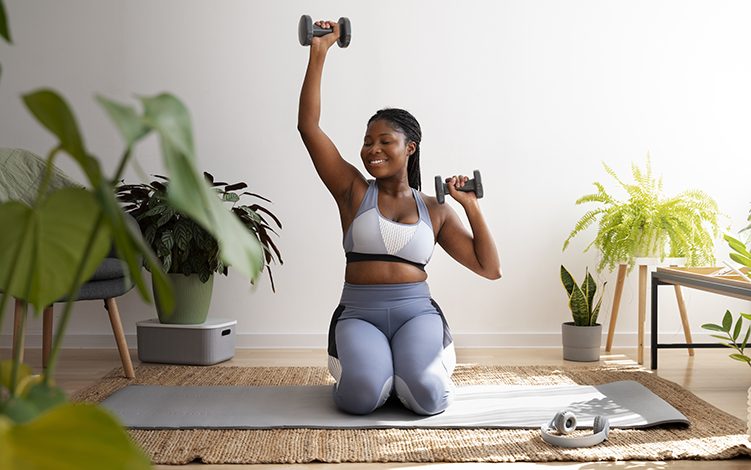
Setting realistic fitness goals is one of the most important steps toward building a healthier lifestyle. Many people start strong but lose motivation because their expectations are too high or unclear. The right goals provide direction, structure, and measurable progress while helping you stay consistent over time.
This guide explains how to create practical and achievable fitness goals that support long-term success rather than short-term bursts of effort.
Why Realistic Fitness Goals Matter
Fitness success depends more on consistency than intensity. When goals are unrealistic, people often experience frustration and quit early. Realistic goals help you stay motivated because progress becomes visible and meaningful.
Benefits of setting achievable goals include:
- Stronger commitment to routines
- Reduced risk of injury or burnout
- Better tracking of progress
- Improved confidence and discipline
- Sustainable lifestyle changes instead of temporary fixes
Clear expectations help transform exercise from a chore into a structured habit.
Understand Your Starting Point First
Before setting goals, evaluate your current condition honestly. This step prevents unrealistic expectations and helps design a plan that matches your body and schedule.
Consider assessing:
- Current activity level
- Body measurements or weight if relevant
- Strength and endurance capacity
- Mobility and flexibility
- Available workout time per week
- Past injuries or limitations
Knowing where you stand helps determine where you can realistically go.
Use the SMART Goal Method
One of the most effective frameworks for setting fitness goals is the SMART method. Each goal should be:
Specific
Clearly define what you want to achieve.
Measurable
Track progress using numbers or milestones.
Achievable
Choose something within your capability.
Relevant
Align goals with your lifestyle and priorities.
Time bound
Set a clear deadline.
Example:
Instead of saying
I want to get fit
Say
I will walk 30 minutes five days per week for the next six weeks
This transforms a vague idea into a clear action plan.
Choose the Right Type of Fitness Goals
Fitness goals should match your personal priorities. Different people need different targets depending on health needs and lifestyle demands.
Common goal categories include:
Strength Goals
Examples include:
- Increasing push-up repetitions
- Lifting heavier weights gradually
- Improving core stability
Strength goals improve posture, metabolism, and injury prevention.
Endurance Goals
Examples include:
- Walking longer distances
- Running without stopping
- Completing a cycling session comfortably
Endurance improves heart health and stamina.
Flexibility Goals
Examples include:
- Touching your toes comfortably
- Improving mobility range
- Practicing stretching consistently
Flexibility reduces muscle tension and improves movement quality.
Weight Management Goals
Examples include:
- Losing body fat gradually
- Maintaining healthy body weight
- Increasing lean muscle mass
Healthy weight goals focus on sustainability rather than rapid change.
Break Large Goals Into Smaller Milestones
Large goals can feel overwhelming. Breaking them into smaller steps makes progress easier to track.
For example:
Goal
Lose 8 kilograms
Milestones
- Lose 1 kilogram per month
- Walk 6000 steps daily
- Exercise four days weekly
- Improve sleep schedule
Small wins build confidence and keep motivation strong.
Create a Realistic Workout Schedule
Many people fail because they choose routines that do not match their lifestyle. A successful schedule fits naturally into your weekly routine.
Helpful strategies include:
- Start with three sessions per week
- Keep workouts between 20 and 40 minutes initially
- Select activities you enjoy
- Allow recovery days
- Adjust intensity gradually
Consistency matters more than intensity during the early stages.
Track Progress Regularly
Tracking progress helps maintain motivation and identify what works best.
You can monitor progress through:
- Body measurements
- Strength improvements
- Workout frequency
- Energy levels
- Sleep quality
- Mood changes
Not every improvement appears on a weighing scale. Performance progress often tells a more accurate story.
Stay Flexible and Adjust When Needed
Fitness journeys rarely follow a straight path. Illness, travel, work demands, or stress may interrupt routines.
Instead of quitting:
- Modify your schedule temporarily
- Reduce workout intensity if necessary
- Focus on shorter sessions
- Restart gradually after breaks
Adaptability ensures long-term success.
Avoid Comparing Yourself With Others
Every person progresses at a different speed depending on genetics, lifestyle, nutrition, and consistency.
Focus on:
- Your own progress timeline
- Personal improvements
- Sustainable habits
- Realistic expectations
Comparison often reduces motivation rather than improving performance.
Support Your Goals With Healthy Habits
Fitness goals become easier to achieve when supported by daily habits.
Important supporting habits include:
- Eating balanced meals
- Drinking enough water
- Getting adequate sleep
- Managing stress levels
- Maintaining a regular routine
Exercise works best when combined with overall lifestyle improvements.
Celebrate Small Achievements
Rewarding progress helps reinforce positive behavior. Recognition does not need to be dramatic.
Examples include:
- Buying new workout clothing
- Trying a new fitness activity
- Tracking streak progress
- Sharing milestones with friends
Small celebrations strengthen commitment and motivation.
Frequently Asked Questions
How long does it take to see fitness results
Most people begin noticing changes in energy levels within two to three weeks. Visible physical improvements usually appear after four to eight weeks with consistent effort.
How many fitness goals should I set at once
It is best to focus on one to three goals at a time. Too many goals can reduce consistency and make progress harder to track.
Should beginners exercise every day
Beginners should start with three to four sessions per week and gradually increase frequency as endurance improves.
What is the safest way to increase workout intensity
Increase intensity slowly by adjusting repetitions, duration, or resistance one step at a time instead of making sudden changes.
Is it better to focus on weight loss or strength first
For most people, combining light strength training with moderate activity works better than focusing only on weight loss.
Can fitness goals change over time
Yes goals should evolve as your strength, endurance, and lifestyle improve. Adjusting goals keeps progress steady and realistic.
What should I do if I lose motivation halfway through
Review your original goal, simplify your routine, track small wins, and restart with shorter sessions until consistency returns.


